
Hi-Fi, Sound

How to choose a HI-FI stereo system

Overview

Building a high-fidelity (Hi-Fi) stereo system is about creating an immersive listening experience right in your living room. The goal isn’t just to make music louder, but to reproduce it exactly as the artist intended—capturing every detail, from the breath of a vocalist to the resonant decay of a guitar string.

If you are stepping into the world of audiophile gear for the first time, the endless combinations of components can feel overwhelming. This guide breaks down the essential steps to building a balanced Hi-Fi setup that matches your space,

The Three Core Pillars of a Hi-Fi System

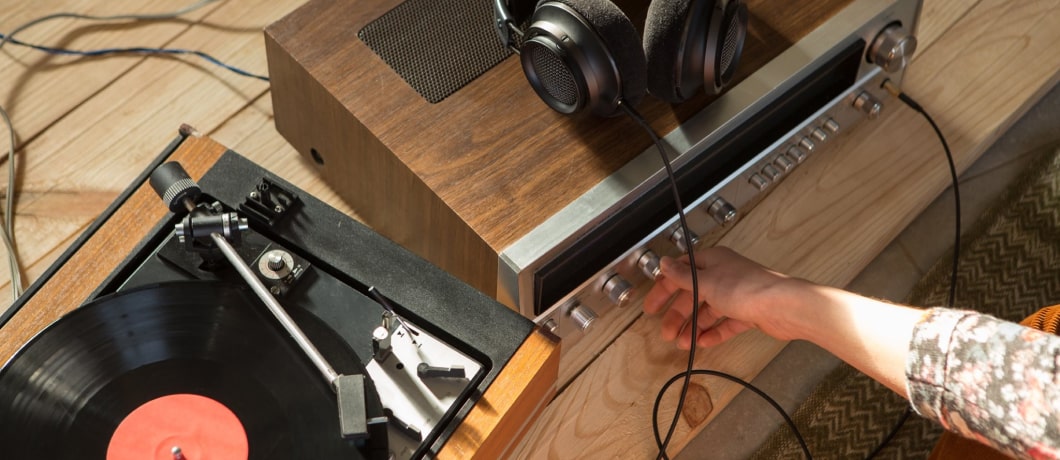
Every classic Hi-Fi setup relies on a simple signal chain. Understanding how these three components interact is the key to making a smart purchase.

  • The Source: This is where your music originates. It could be digital (a dedicated network audio streamer, a high-res DAC connected to your laptop, or a CD player) or analog (a turntable).

  • The Amplifier: The brain and muscle of your system. It takes the weak electrical signal from your source, boosts it, and sends it to the speakers.

  • The Speakers: The final voice of your system. They convert the electrical energy back into physical sound waves.

Rapoo A81

In stock

RM49.00
Black
Brown
Select options This product has multiple variants. The options may be chosen on the product page
SKU: RAPOO-A81
Color

Black

,

Brown

An Option for A Small Budget

Phenomenal performance for professionals

Step 1: Choose Your Speakers First

Because speakers have the most dramatic impact on the overall "sonic signature" (the unique character and tone of the sound), you should always select them first. Your choice depends heavily on your room size.

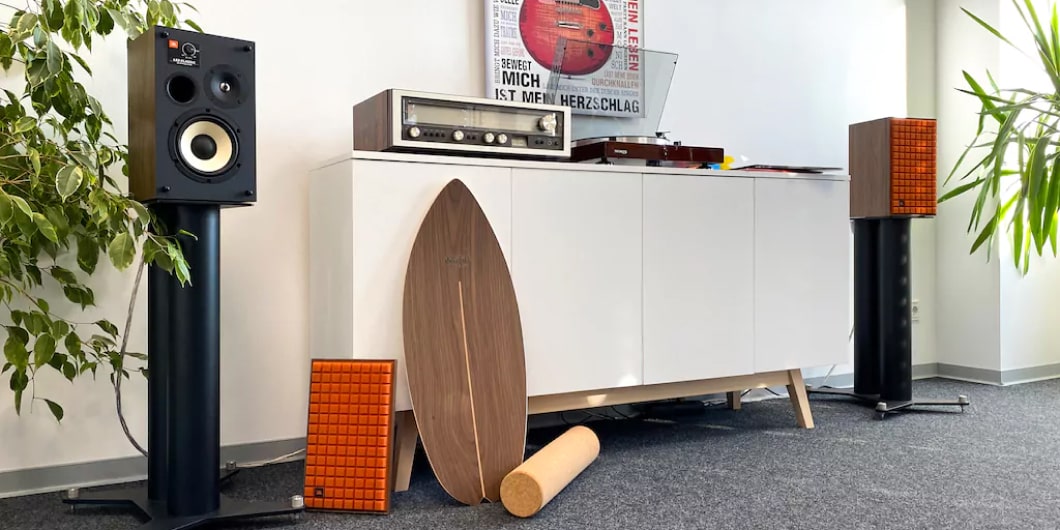
  • Bookshelf Speakers: Ideal for small to medium rooms (e.g., bedrooms, study spaces). They offer incredible clarity, detail, and imaging, but usually require dedicated stands and may benefit from an added subwoofer if you love deep bass.

  • Floorstanding Speakers: Best for larger, open living spaces. Their larger cabinets naturally move more air, delivering deeper bass extension, a wider soundstage, and enough power to fill a room effortlessly.

Step 2: Match the Amplifier to Your Speakers

Once you have chosen your speakers, look at their technical specifications to find a matching amplifier. Pay attention to two critical metrics: Impedance and Sensitivity.

The Matching Golden Rule: Ensure your amplifier is rated to safely drive your speakers' impedance (typically 4 or 8 ohms). Check the speaker's sensitivity rating (measured in dB)—lower sensitivity speakers (under 85dB) require significantly more power (Watts) from an amplifier to reach dynamic listening volumes than high-sensitivity speakers (over 90dB).

Consider an integrated amplifier, which combines a pre-amplifier (input selection and volume control) and a power amplifier into a single chassis. It saves space, reduces cable clutter, and simplifies your setup.

Step 3:Budget Allocation & Setup Pitfalls

When budgeting for a Hi-Fi system, avoid spending all your money on one high-end component while skimping on the rest. A $3,000 pair of speakers will sound thin and disappointing if driven by a cheap, underpowered amplifier.

Recommended Budget Breakdown

  • Speakers: 40% to 50% of your total budget.

  • Amplifier: 30% to 40% of your total budget.

  • Source(s): 20% of your total budget.

  • Cables & Accessories: Save roughly 10% for quality speaker wires and solid interconnects.

Don't Forget Room Acoustics

Even the most expensive Hi-Fi system will sound muddy if placed poorly. Keep your speakers away from bare corners to avoid boomy, distorted bass. Try to form an equilateral triangle between your left speaker, right speaker, and your primary listening position to unlock perfect stereo imaging.

Leave a Reply

Your email address will not be published. Required fields are marked *